My wife is employed in the disaster-relief sector of the international NGO space. She and her colleagues serve people who find themselves amid sudden need during unforeseen disasters. Recently, my wife’s work took her to the Canadian Prairies, a significant segment of which have been ravaged this season by fires. While she was venturing between her remote field office and the residential disaster sites that she was there to survey and attend, she came across a captivating sight. As the tires of her truck crawled around and among the patchwork of broken concrete and brittle remains left by the fire, there to her left, amid the smouldering remnants of a home, stood a solitary man. He had a watering hose in his hand. By some cruel twist of irony, the plumbing still worked underground. The man was gently watering the only flower that still stretched heavenward through the carnage and smoke. Transfixed, my wife pulled nearer her new neighbor, “Hello, Sir! I couldn’t pass you by without stopping to inquire… may I ask what you’re doing here?” He was the only human in sight, and amid so much wreckage looked alien in this seemingly lunar landscape. He was in his mid-60’s and was well put together. You know him—the two-toned plaid shirt, carefully tucked, meticulously combed hair—late 70’s coiffure. The sort of man about whom you presume responsibility, from whom you anticipate the ever-nearness of the lament, ‘they don’t make things the way they used to’. Stalwart. Resolute. Responsible. He was icon to order, surrounded such as he was by all the ashen chaos. But his pensive expression told the world that he was only just on the other side of a great loss, the sort one wears for the rest of their days.
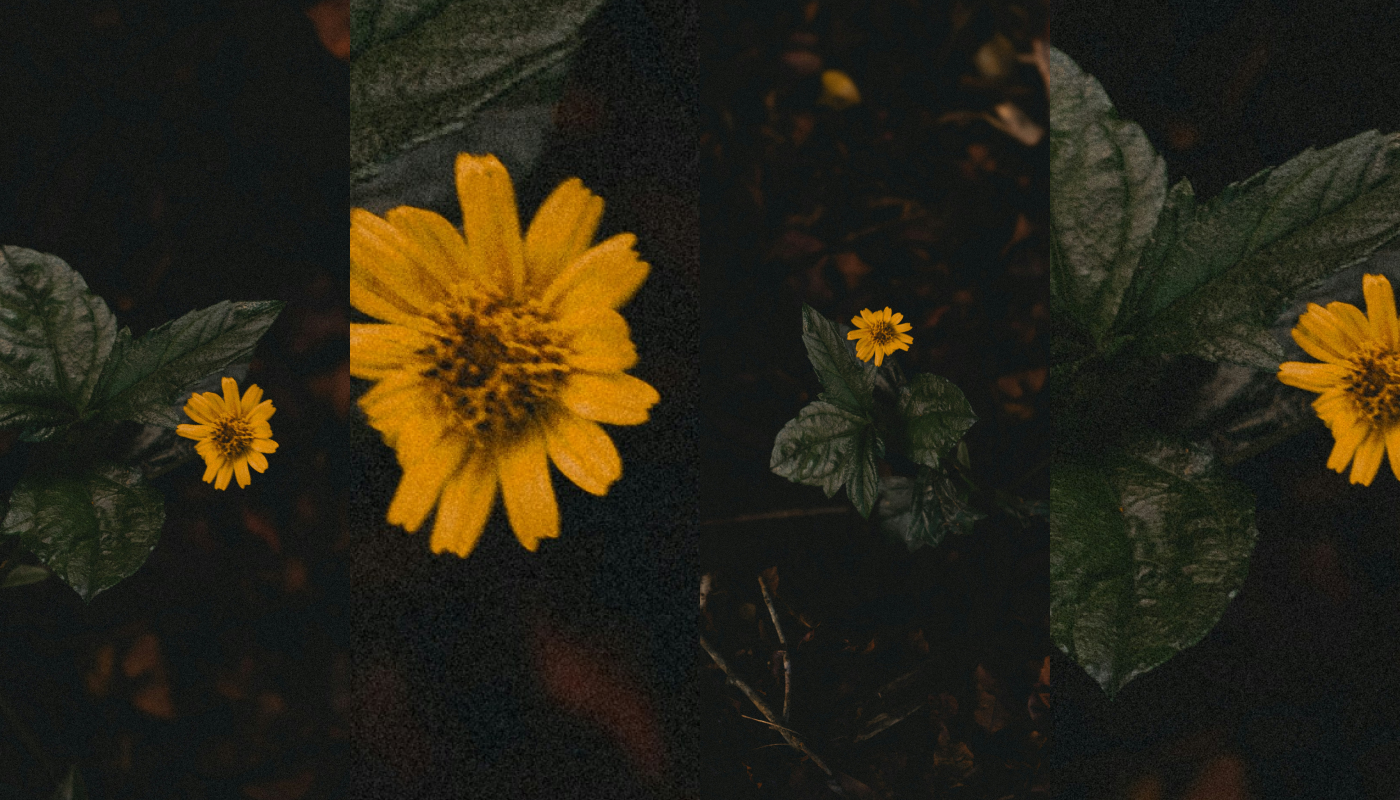
The man replied, “This was my and my wife’s home. It was our dream home, a retirement dream. I lost her to cancer earlier this year. She planted these flower… this flower. It reminds me of her. I just wanted to water it. She planted it.”
My wife was simply overcome, “Sir, I am a happily married woman, and I am going to get out of my truck now and give you a hug. You need a hug now. May I give you a hug, Sir?” With that, she spoke what shot through her as a bolt of urgent clarity. He humbly received the offering of my wife’s compassion in tender recognition of her intention. The two of them continued in their sacred moment. After their brief embrace, they moved on with their dialogue. She took in as much of his story as she could before parting company with her new human neighbor, moving on into the remains of the community that she was there to assess.
The deeper matter at play in this instance was that this man, then surrounded by such carnage and disaster, was compelled to that place—to that flower—by one thing: that his wife was a unique and unrepeatable gift and that her life contained a dignity and worth that were inherent and intrinsic.
The deeper matter at play in this instance was that this man, then surrounded by such carnage and disaster, was compelled to that place—to that flower—by one thing: that his wife was a unique and unrepeatable gift and that her life contained a dignity and worth that were inherent and intrinsic. He, as her husband, had come to know that these truths were not merely the product of his liking or love of her. Over the course of their many years, these aspects of her life had become the artery to his heart for her, a truth poured into him. The enormous substance of her life had been progressively revealed to him as something so sacred, so transcendently beautiful. His love for her, after so many years, and for so much more than her physical beauty or any other particular feature of her person, now consisted inasmuch. He loved the whole of her—the entire story of her life, her special onliness.
But his immense and particular love for her did not establish these things as true, did not make it the case that she was a unique and unrepeatable gift. Rather, it revealed them as true. The more he loved her, the more he came to realize what a treasure she was. By virtue of the sacred intention that he brought to their relationship he understood this in a manner that deeply shaped his character and his determination to respect all of life. He had learned to love her more than any other, and by virtue of that commitment, he had become loving. His loving intention exposed the value of his wife’s existence by revealing her to him in the profound depth and worth of her very life. She was unique and unrepeatable prior to having met her husband and the worth and dignity intrinsic to her had been established by something other than his relationship to her. Her intrinsic worth and dignity were ‘set’ by virtue of her very being.
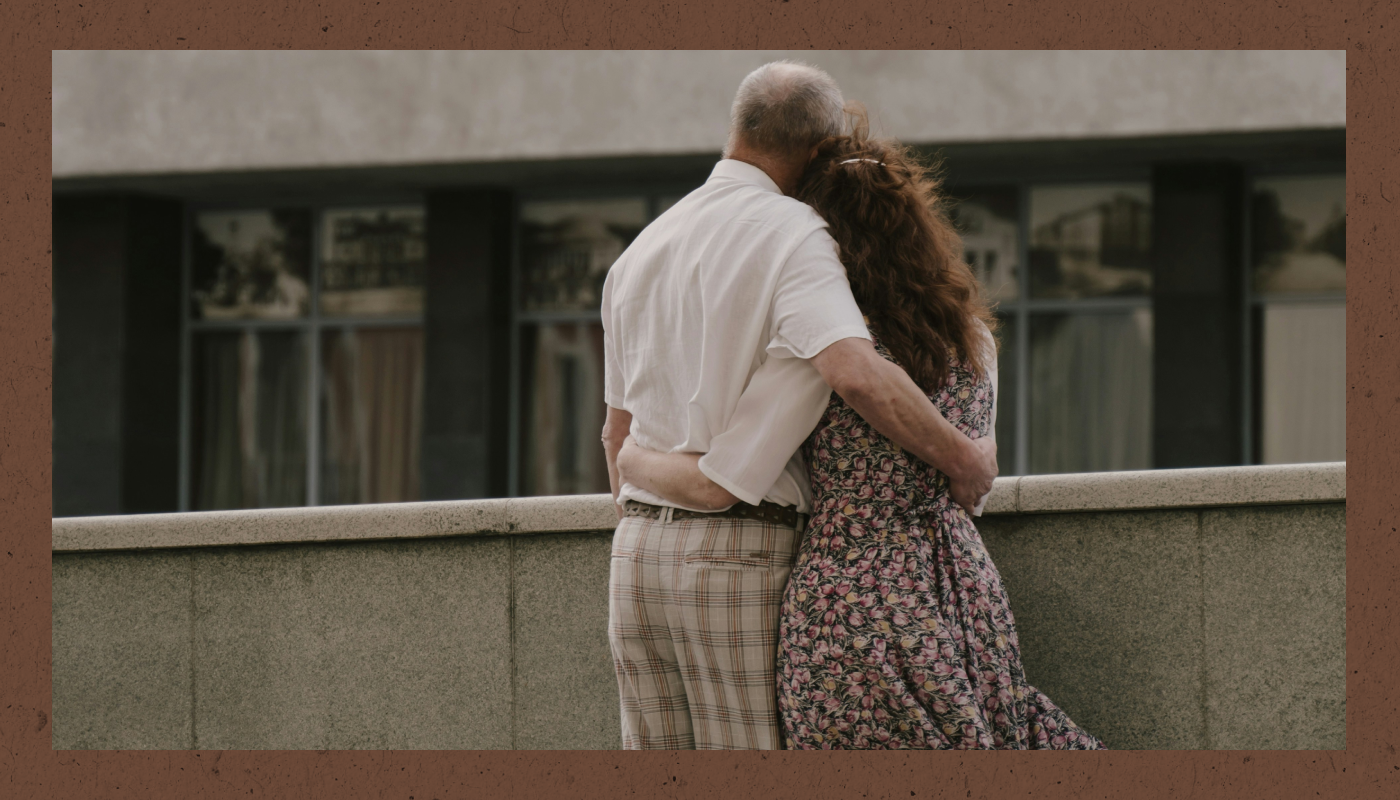
All this had been distilled and clarified in this man by his long devotion to his dear wife and now, by his corresponding grief. Grief spells out the value of things to us in a manner that no other experience in life can. It tells us that our love for someone doesn’t establish their worth, it reveals their worth. Love, in this sense, is the only means we have to proper sight of our human neighbours. Without it, we cannot see their worth or set ourselves in proper relation to their worth. In this sense, worth isn’t determined or conferred by the recipient of a gift. That is established elsewhere, by the gift’s maker. More of that below.
The Instrument Points to the Craftsman
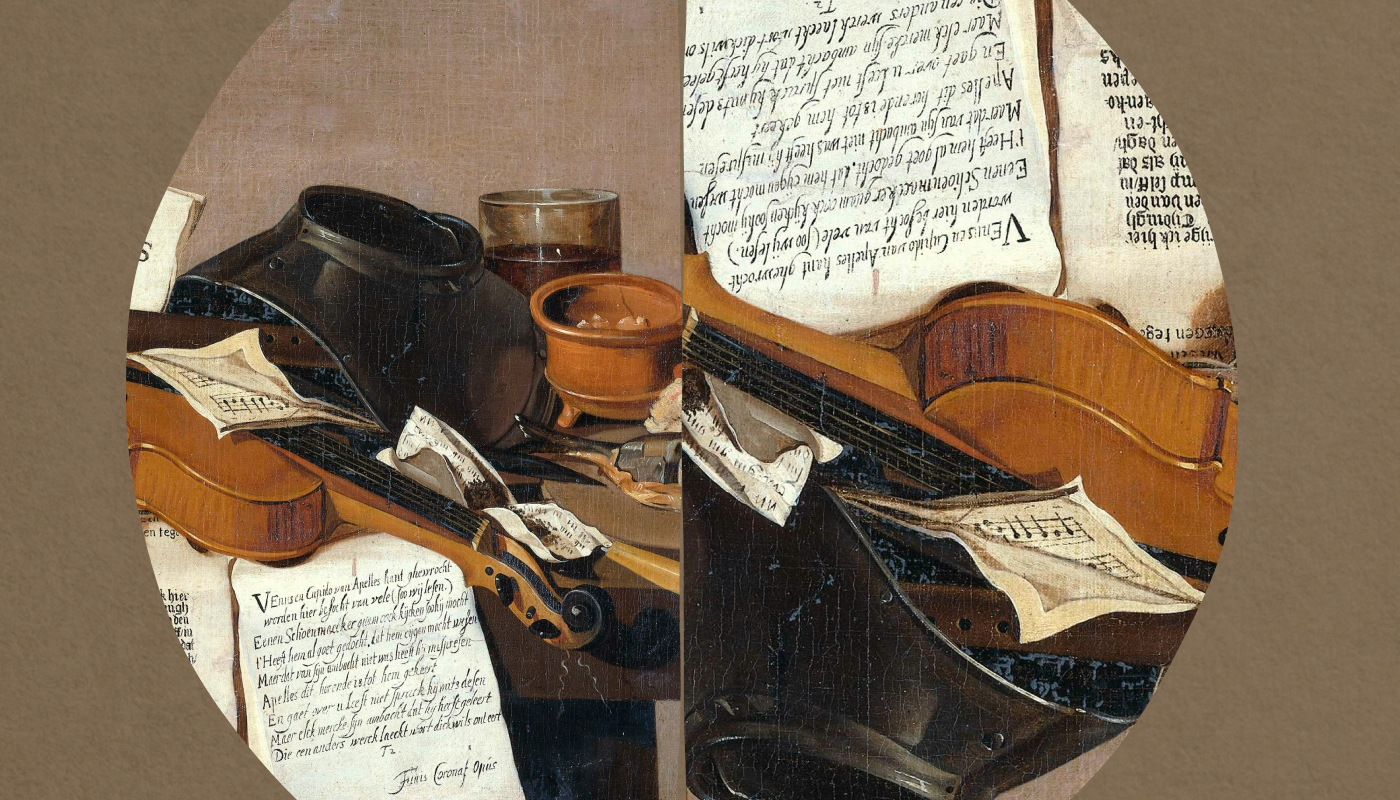
Antonio Stradivari was a luthier (guitar, violin, cello, and harp craftsman) who lived between the seventeenth and eighteenth centuries. Several of his instruments remain to this day and are played by the world’s finest musicians. Stradivari’s pieces are renowned as the most exemplary instruments of their kind, the very standard by which others are measured. A single of his violins can fetch millions of dollars. In March of 2025, one of his works of craft—a violin, named, the “Baron Knoop”—sold for 23 million dollars to an anonymous buyer. The great concert violinist and composer, Itzhak Perlman himself, plays the “Soil Stradivarius” which was designed during Stradivari’s ‘golden period’ in the zenith of his career.
Stradivari’s designs captured the heart and soul of violin and constitute arguably the finest rendering of the instrument, the greatest juncture between form and function, resonance and reverence, that humanity has ever witnessed. His mark—that is, his creative thought, his inimitable skill, his passion and presence in the making of his instruments—remains the distinguishing attribute that sets every Stradivarius apart. His works boast such value because itwas he who made them. Each one, nuanced such as it is, is unmistakably ‘his’. They were made by a rare genius and the music played upon them, however shaped by their current owner, is always somehow a distinguished reflection of Stradivari himself.
The Value of Knowledge
Christian scripture tells a similar story as it regards every person who has ever been made, each of us instruments crafted by our genius. In the story as it is recorded, God made many things, each of which delighted him. He created them inside of a garden called Eden. He finished his masterpiece with its capstone work-of-craft: humans. Only then would He issue his final verdict. After He had made humankind, God exclaimed that the creation was very good:
“Then God said, “Let us make man in our image, in our likeness, and let them rule over the fish of the sea and the birds of the air, over the livestock, over all the earth, and over all the creatures that move along the ground.” So God created man in his own image, in the image of God he created him; male and female he created them. God blessed them and said to them, “Be fruitful and increase in number; fill the earth and subdue it. Rule over the fish of the sea and the birds of the air and over every living creature that moves upon the ground.” Then God said, “I give you every seed-bearing plant on the face of the whole earth and every tree that has fruit with seed in it. They will be yours for food.” And it was so. God saw all that he had made, and it was very good.” (Genesis 1: 1-31)
“Very good.” Quite the pronouncement from a perfect Maker and master Craftsman. Do you notice with me in the passage above that God blesses the one aspect of the creation that He determined would uniquely bear his image into the world? To these—to us—He speaks in intimate terms. He capacitates us with a skillset that proves by Whom and for what we have been made. In this way, we bear his image. We reflect, through our lives and capacities, the One who made us. But this particular ‘violin’—the human person—in the celestial orchestra that was formed at creation, is endowed with the capacity to ‘play’ itself; to make music of its own accord as a beautiful testament to its Maker.
The value in people is not determined by our experience of them, but by the intention and capacity of the One who made them, by what is potential in them, even if not yet realized, even if horribly construed or squandered. Only in love are we able to hold such value before our senses. Only in love are we conditioned to sit before the sheer magnitude of splendor and beauty contained by such a life. Only in love are we able to join God in summoning the tone and cadence meant to emerge from such instruments. The man who watered the last flower that remained in his wife’s garden had learned how to be present to her life, to truly honour and revere it. He’d learned to allow himself to be shaped by the immense and unmistakable beauty in the song that she played while he still ‘had’ her. He knew that there would never be another one of her; her life didn’t simply happen; she wasn’t just ‘another one of those’. What he stood in the face of in that desolate landscape was the technicolour memory to which he clung, of who she had been—and still was—to him. The legacy of her life—her personhood, her maternity, the distinction in her laugh and her gait, the idiosyncrasies in her conversational style, the range of her beautiful interests and dislikes, her bedtime routine, her song in the morning as they prepared for the day, the things that made her laugh and those that broke her heart—was to him an irreplaceable treasure, one that he had held, in every sense that that term can convey, for 42-years.
So often, our understanding of something’s value must be conveyed to us by another. We struggle to understand the intricacy of that which we haven’t studied. For example, my friend, Chris, is a guitar virtuoso. He’s the sort of player that expert musicians consult for advice in their aspirations to improve their craft. Chris knows guitars in a way that I, a guitar ‘lover’, and aspiring three-chord-wonder, will never know in the same way. Because true knowledge is contingent on one thing in the end: experience. Chris is able to describe the value of some of the most coveted guitars in the world because of the richness of his experience with all of the aspects of playing them. The timbre in their wood species and grain pattern, the resonance in the painstakingly designed curvature chosen by the luthiers who make them. These are all a part of Chris’s experience of playing—and, thereby, knowing—guitars. All knowledge—real knowledge—is rooted in experience, isn’t it? Everything else is just information. That’s what Einstein said. Some people really are authorities on matters that come to our minds. Some people really have devoted themselves—in whole-life terms—to such knowledge. It can’t come any other way. The more one knows through experience a person or a thing, the more one is able to describe it (or, them) in terms of the gift that they are. Therefore, to be able to truly value something, we must first know it at depth. And, no one knows us better than our Maker.
Another way to say this is that we can’t understand the value of something if we haven’t studied it or taken in trust, on the grounds of someone else’s word to us, the true authority through which they convey to us that this ‘thing’ has value. That is, it isn’t just that some people really do know some things, it’s that if we have not sought to experience the thing known in the way that they know it, we don’t have knowledge and cannot claim that we do. Some people have knowledge of some things and others do not, and this, in very particular and very consequential ways.

The man that my wife happened upon knew the value of his wife’s life in such a manner—in a way that no other person likely did. He had experienced, studied, and received from her life in a way that had become inextricable from his own. That’s another aspect of the kind of knowledge to which we’re referring here: it becomes us in a very real sense. The fact that his wife’s life was a unique and unrepeatable gift is for him an unmistakable fact—one that clarified and now directs in a very tangible sense, every daily decision that he makes. What’s more, is that her life had value in a way that wasn’t just ‘to him’ unique and unrepeatable but was unto itself unique and unrepeatable. What distinguished this man’s sense of how true that was is how closely he had lived in relation to the life that was her.
So, in order to truly understand the value of something, we have to learn its purpose by studying it. I may choose to use a banana as a self-defence implement, but I would be far better off to eat it. It’s design and nature clearly endorse the latter more than the former. Against the staggering backdrop of a single human life and what is contained by it, I would do well to ask the question, “What is this ‘thing’s’ nature and true value?” If we take it as true that, the more complex the object, the more complex the understanding of it and its value, then appraising the value of just one human life will prove quite the task. I may, therefore, need to consult the mind and heart of the one who made it in order to arrive at an honouring understanding of the thing itself.
Jesse's Story
As a psychotherapist of nearly 20-years, I daily swim through the litany of human stories that mark my memory and have so shaped who I am. One instance that stands out against the backdrop of our focus together in this article occurred while I was journeying with a man who had battled addiction since his adolescent years. That man’s name is Jesse. I obtained Jesse’s permission to include (and honour) him by name in the recalling of this moment. Jesse’s battle with addiction is to me a heroic one. Afterall, he never asked for the constellation of personality and life experience into which he was born. It was simply his inheritance. And it was hard. Suffice it to say that Jesse had had a bumpy ride in his efforts toward recovery. Along the way Jesse had lost nearly everything beyond the love that a few people still held for him, his girlfriend (now, wife), his mother, and me among them.
After several years in and out of relapse, Jesse had managed to put together an entire year without the use of drugs or alcohol. Jesse was in his mid-thirties by this time. He had been living in a recovery house, where he had submitted his life into the service of others in need—mainly the other people struggling in addiction who populated the recovery circles and detox intakes that mark such societies. Jesse had become a leader in these spaces. His larger-than-life persona, the unmistakable enormity of his physical presence, his booming laugh, the beam in his smile and the tender heart worn on his tattooed forearms all radiated love and hope into his spheres. Jesse had asked for my assistance through his recovery, and that high honour led to a request to attend his ‘one-year cake’ ceremony, a ceremonial hallmark of 12-step-recovery communities. The ceremony was to take place at a neighborhood center where his 12-step community met, deep in the heart of a shattered community in a large city in Metro Vancouver. Having worked with so many other addicts and homeless people from this region over the years, I was quite familiar with this community and the social churn that marked it. It was, by all definitions, a ghetto.
It was quite the scene at the “Easy Does It Club” when I arrived. As I approached the crumbling concrete steps to the front door, I was greeted by a labyrinth of shopping carts, discarded crutches and a hamlet of truly impressive architectural achievements fashioned out of cardboard and salvaged lumber. Each represented a precious life. Each told a story like Jesse’s. Sleeping bags adorned the menagerie of possessions contained in each shopping cart. The olfactory assault of body odour and urine were only magnified by the heat still emanating from the sidewalks and roadways in the evening summer air. The Cake Ceremony was set to occur at 7:30, but I wanted to arrive early to meet some of Jesse’s community.
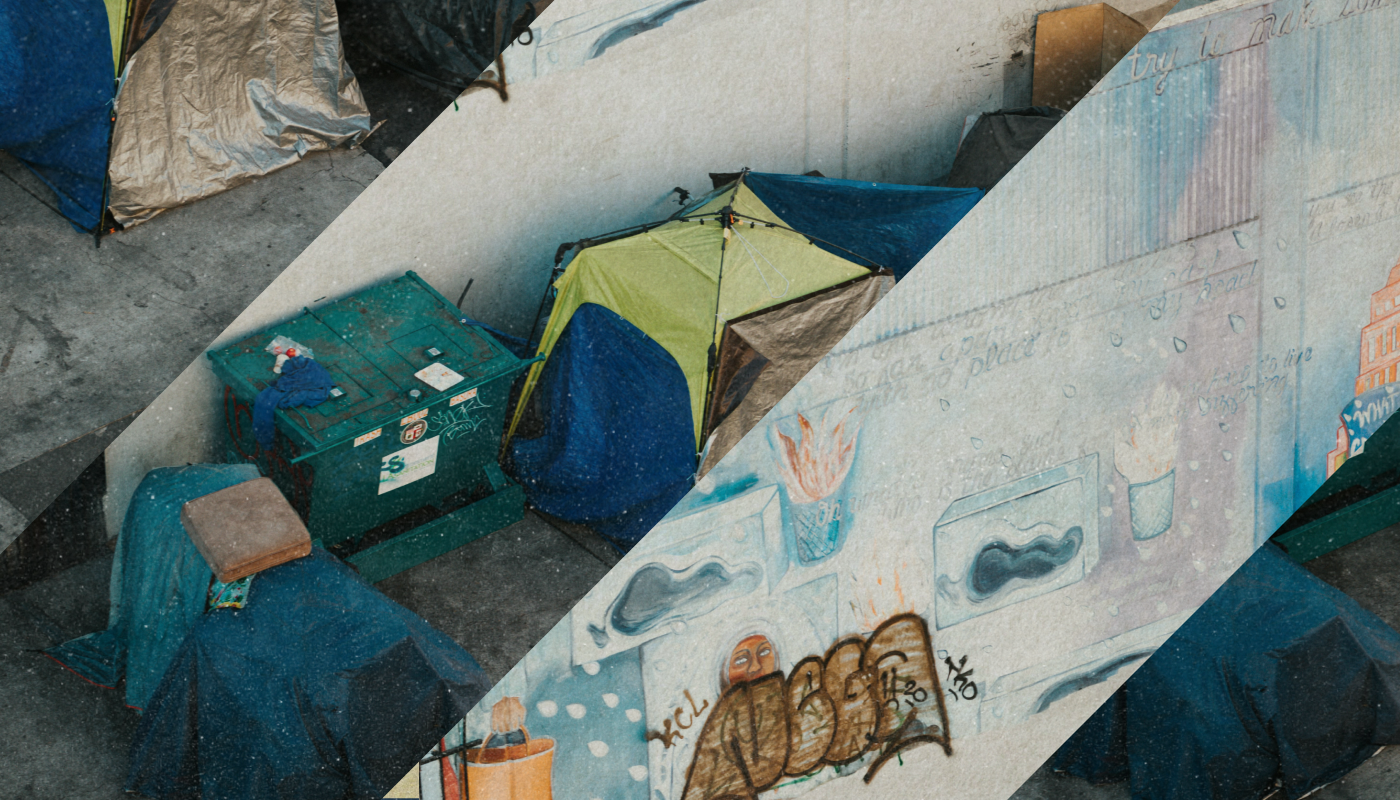
Contrary to the view that many hold of such environments, I am always greeted there by smiles. Slurred kindnesses sometimes break through the soothing effects that fold the users of opiates over into their familiar junkie slump. These glimpses through the haze of their high reveal the truest parts of them.
Upon inquiring, I was graciously pointed in the direction of the staple stack of Styrofoam cups and glass sugar dispensers—so vital to so many recovery journeys—that flanked the carafe at the coffee station. I poured myself a cup and ventured out of the main recreational area where the pool and foosball tables were, into the adjacent room where seating had been prepared for the ceremony that was set to begin. I heard Jesse’s infectious laugh before entering the room. As I passed through the doorway, there he was, a giant, rotund court jester, captivating everyone in the room with his impersonations of people in the community. Here, people were bent over for reasons other than the effects of heroin—Jesse was slaying them all with his gift of humor. This was the real man under all the pain. The one that existed before he had even learned to speak or take his first steps, had ever lost his older sister in a tragic accident, or been berated by his angry father. This was God’s good idea as Jesse, a brilliant expression of the spirit that had been so artfully placed in this instrument by his Maker. When I caught Jesse’s eye, he immediately paused his comedy show and jostled through the rows of brown wood and black metal chairs to greet me with a giant hug and tears. We were both taken by this moment and the shared journey—8-years to that point of knowing each other—that it reflected. “Thank you for coming, Pete,” spoken in between sobs, “Thank you for making it a year, Jesse. I’m so proud to know you,” spoken with tears in return, “What a gift to be here with you and all these others.” Jesse’s mother and girlfriend were also there and received embraces as well. It was a joyous moment after so many years in the terror of addiction.
While Jesse’s comedy was properly captivating, the other scene that played out in that room seized upon my senses with even greater gravity. There, among so many stories like Jesse’s, a group of men and women ranging in age from 17-60-years huddled around a young lady, perhaps only 19-years of age. Wrapped so tenderly in this young lady’s arms, and nestled so lovingly against her chest, was a three-month-old baby—her baby, her treasure—named Hannah. Hannah’s presence, her unblemished innocence and captivating beauty, simply possessed the assembly of humanity that had gathered around her young and fully devoted mother. Hannah was in this instance a holy icon, a tuning fork which sounded out simultaneously from the heart of God and the heart of humanity, inviting resonance from all who laid eyes on her in that sordid environment.
I had been invited on this special evening as an honorary guest and had been asked by the leader of Jesse’s recovery home if I would speak to the community in reflection on those who would that day be recognised for various spans of recovery time. In 12-step worlds, ‘first day sober’ carries as much weight as ‘one year’ or ‘20-years’, as all who participate know the looming nearness of relapse and the ever-presence of the hell that lurks on the other side of it. Prior to my arrival that night, I had a few statements about addiction and courage loosely held as points that I might cover in honour to the heroes by whom I was surrounded. I now knew, however, that I would be taking a different angle, one invited of me by our new instructor named, Hannah.
When the moment came for the leader of the recovery home to invite me to speak, I walked to the front of the room to address the assembly. First, I took a moment to look everyone in the eye and thank them for welcoming me, sixty or so were present and all courteously awaited what I had to say. I then briefly explained my relation to Jesse. He had granted me permission to acknowledge that I was his therapist. I commenced by sharing with them all how honoured I was to be in their midst, and I noted to them that I was going to discard my prior remarks because of what I had just witnessed.
I named addiction for them all as a quest, a spiritual quest for transcendence. “Many among us,” I claimed, “were dealt decks of cards at birth that meant we would have more to transcend, more we’d have to overcome, more we’d need to find relief from. The heroes here that I stand among are those who have chosen love even in the midst of their pain—even if they were never shown it or granted it from birth.” I told them all how much I respected their efforts and the work that had gone into merely showing up for tonight’s ceremony. I then invited that we all ponder a question together: why seek life beyond addiction? Why try at all? What does it matter? Every person in attendance knew that the answer—should one exist—would have to venture beyond the seemingly obvious one: “Because living in addiction sucks—it’s like a slow cancer that eventually takes everything from you.” Everyone in attendance already knew and had deeply experienced the patent truth in that statement, and yet, knowing that and experiencing that proved in each case not to be enough to motivate them to change. Mere discomfort proves not to be enough to motivate the sort of effort required of those who need help out of addiction. Something even deeper and more profound would be required in answer to this question. At that point, I gently inquired about the young mother’s name and then the name of her daughter. “Hannah,” she proudly spoke with a smile. “May I hold Hannah?” I asked. By grace, the young mother had intuited that I was a safe man and that in the company of her peers, this would be okay. As I took Hannah into my arms, I invited everyone to reflect upon what they felt in relation to her presence. I noted with them, that every person present, regardless of social status, sobriety time, age, or financial picture, felt a summons from Hannah—and this, purely by virtue of her existence—to honour her little life in our midst. We acknowledged together the reverence and gratitude that we felt in relation to her. “Tonight,” I stated, “Hannah is our teacher. She is here to teach us about the nature and essence of our humanity. What has Hannah done for any of you? What has she brought into your life, besides her presence?” I asked. “And, yet, do you feel gratitude toward her as I do? Are you grateful that she is here as opposed to not being here? Do you feel compelled to protect her as I do? She and her mother? To move toward them with a deep interest in their wellbeing? What is that in you? Could it be that this is your true nature in response to Hannah’s true nature? Could it be that she is in fact God’s good idea? Before ever having learned anything or ‘given’ any of us anything? Could it be that what you feel towards her is the truest and most beautiful arrangement of your capacities in this moment? Could it be that this is what we are all made for, in whichever domain of life—whether in work, family, while socializing, or engaging in ‘recovery work’. Addiction abounds when we forget our true value and our true purpose. Each of you emerged into the world just like Hannah. Innocent, unblemished, and just as wonderful. Somewhere along those lines, as we get trampled on by life, our innocence is challenged and is sometimes fractured. Tonight, we’re all invited to remember at Hannah’s invitation, that we never stopped being this precious, this worthy of love and attention, this sacred in our essence—we’ve merely forgotten it. Hannah is God’s good idea and to God, and to Hannah’s mother, Hannah is a unique and unrepeatable gift; her life possesses dignity and worth that is inherent and intrinsic. We’re all compelled to honour that in her. I want to invite you again—or, perhaps for the first time—to honour that in yourselves.”

With that, and with a few more tears, I invited the assembly to look around them, to take the inherent worth and dignity of their neighbours in by truly ‘seeing’ and honouring this—just as they had for Hannah—in one another. It was a rich celebration, a sacred moment. These are the flowers we’re meant to water, the tunes we’re meant to play on the instruments we’re given by our Maker. We never ‘play’ quite as well as when we hold His view of us in mind and heart as we venture our tune. God’s claims about our humanity—that it is “Very good”—spoken such as it has been, with a beaming smile, provide the truest grounds upon which to plant every effort at growth or redemption or ‘recovery’. Our Maker’s claims about us are where to return when we are lost. They are our identity and our home. Back to the loving embrace we go, to receive what we always were. Unique and unrepeatable, with a worth and dignity already formed in us by the Master Craftsman who fashioned us after his own image. May you know this as your deepest understanding, my friend, and may it be what guides you as you strive to know and to love your human neighbours.
.svg)